Professional Exterior Cleaning for Homes: Costs and Methods
Last Updated: November 8, 2026
Quick Summary
Professional exterior cleaning removes dirt, algae, mildew, and grime from a home's outside surfaces and hardscape, using methods matched to each material. Soft washing suits siding and roofs, while pressure washing suits concrete. Most homes benefit from one exterior cleaning each year.
- Soft washing suits painted wood, vinyl, fiber cement, stucco, and roofs because high pressure can strip paint or lift shingles.
- Pressure washing is usually appropriate for concrete driveways, sidewalks, and patios, often with a surface cleaner attachment.
- Quotes are driven by surface area, number of stories, soil level, cleaning method, access, and frequency.
- Get at least two written quotes and compare line items, since a dramatically low price may mean diluted solution or a single quick pass.
- Never attempt high-pressure roof cleaning yourself, because falls cause serious injuries every year.
Table of Contents
- House Washing and Surface Cleaning
- Soft Washing vs. Pressure Washing: Choosing the Right Method
- Pressure Washing a House Exterior: When It Fits and When It Doesn't
- How Much Exterior House Cleaning Costs and What Drives the Price
- Removing Mold, Mildew, Algae, Lichen, and Stubborn Stains
- Preparation, Safety, and Protecting Your Property
- How Often to Schedule Exterior Cleaning and What to Expect After
- Hiring a Professional Exterior Cleaner: Questions to Ask and Next Steps
- Frequently Asked Questions
Professional exterior cleaning for homes covers the outside surfaces of a house and hardscape, removed of dirt, algae, mildew, and grime by trained crews who know which method suits which material. At West Valley Cleaning Top Notch Cleaning, we handle exterior cleaning for homes in Arizona's West Valley. Here is what the job includes, what it does not, and how to tell whether you need it now or can wait.
House Washing and Surface Cleaning
House washing removes the film of dust, pollen, and organic growth that builds up on siding, stucco, brick, and stone. Most crews start with a low-pressure rinse, apply a cleaning solution suited to the surface, then rinse it off from the bottom up so streaks do not dry on the wall. Many homeowners notice the difference most on the north-facing and shaded sides, where green and black staining collects fastest.
Roofs, Windows, Driveways, and Sidewalks
These surfaces need different handling. Roofs are generally cleaned with low-pressure methods because high pressure can lift shingles and void warranties. Driveways and sidewalks are generally good candidates for higher-pressure cleaning, which lifts oil, tire marks, and embedded grime from concrete. Pavers and natural stone often need a gentler approach.
Soft Washing vs. Pressure Washing: Choosing the Right Method
Soft washing and pressure washing differ in what does the cleaning. Soft washing relies mainly on a cleaning solution applied at low pressure, given time to dwell, then rinsed. Pressure washing relies mainly on force, with water pressure and flow doing the work. The right choice depends on the surface, its condition, and what is growing on it.
Match the method to the surface.
- Painted wood, vinyl, fiber cement, and stucco: soft washing. High pressure can strip paint, drive water behind siding, and scar stucco texture.
- Roofs (asphalt shingles, tile, metal): soft washing. Shingle manufacturers commonly specify low-pressure cleaning, and high pressure can lift tabs, loosen granules, and void warranties.
- Concrete driveways, sidewalks, and patios: pressure washing is usually appropriate, often with a surface cleaner attachment for even results.
- Brick and masonry: pressure washing can work on sound brick, but soft washing is safer on older, spalled, or painted masonry.
- Pavers and natural stone: start low and test a small area; high pressure can erode joint sand and etch softer stone.
- Decks and fences: soft washing or low pressure only; wood fibers and composite surfaces bruise under high pressure.
How pressure, detergent, and dwell time interact. Soft washing trades force for chemistry and time. The solution needs to stay wet on the surface long enough to kill algae, mildew, and lichen at the root, typically several minutes, then be rinsed before it dries. Pressure washing trades chemistry for force, which is fast on flat concrete but risky on anything vertical, painted, or porous. A crew that skips dwell time and blasts growth off the surface may make it look clean for a few weeks, but the growth often returns because the organism was not killed.
Condition changes the answer. Loose caulk, damaged trim, cracked stucco, peeling paint, and failing window seals all argue for lower pressure and a careful pre-wash inspection. Heavy oil or grease on concrete may need a degreaser plus pressure, while rust and irrigation stains often need a targeted treatment that neither method removes on its own.
Questions that reveal a competent plan. Ask which method will be used on each surface and why, what the cleaning solution is and how long it will dwell, how plants and electrical fixtures will be protected, and what the crew will do if a surface turns out to be more fragile than expected. A provider who gives one answer for every surface is guessing.
The right cleaning method depends on the surface, as summarised below.
| Surface | Recommended method | Key concern |
|---|---|---|
| Painted wood, vinyl, fiber cement, stucco | Soft washing | High pressure strips paint and scars stucco |
| Roofs (asphalt, tile, metal) | Soft washing | High pressure lifts tabs and voids warranties |
| Concrete driveways, sidewalks, patios | Pressure washing | Usually appropriate, often with a surface cleaner |
| Brick and masonry | Pressure or soft washing | Soft washing is safer on older or painted masonry |
| Pavers and natural stone | Start low, test a small area | High pressure erodes joint sand and etches stone |
| Decks and fences | Soft washing or low pressure only | High pressure bruises wood and composite |
Pressure Washing a House Exterior: When It Fits and When It Doesn't
Pressure washing suits hard, durable surfaces such as concrete driveways, patios, and certain brick walls. It does not suit most painted siding, older wood, or roofing. Use it when the goal is to remove heavy, set-in dirt from a surface that can handle the pressure. Skip it when the surface is fragile, when the house has loose caulk or damaged trim, or when mold is present, because force can spread spores and push water into the wall cavity.
How Much Exterior House Cleaning Costs and What Drives the Price
Most exterior cleaning quotes are built from a handful of cost drivers rather than a single square-foot rate. Understanding those drivers lets you compare bids fairly and spot a quote that is too low to cover the work.
Surface area and stories. A single-story ranch with 1,800 square feet of siding is a different job from a two-story home with 3,200 square feet, even if the lots look similar. Two-story walls need ladders, lifts, or extended wands, and that access time is a real cost. Ask each bidder how they measured the cleanable area.
Number and type of surfaces. House washing, roof cleaning, window cleaning, and driveway or sidewalk cleaning are usually priced separately, then bundled. A package that includes gutters, fascia, and a rear patio will cost more than siding alone, but bundling often costs less than booking each service on its own because the crew sets up once.
Soil level and organic growth. Light dust and pollen rinse off quickly. Heavy green algae, black mildew streaks, and crusty lichen need stronger solution, longer dwell time, and sometimes a second pass. A home that has not been washed in five years takes more labor than one on an annual schedule, and the quote should reflect that.
Method. Soft washing uses more cleaning solution and less water pressure; pressure washing uses more equipment time on hard surfaces. Roof cleaning is typically the most method-sensitive line item because shingle manufacturers specify low-pressure methods, and a crew that follows those specifications spends more time per square foot.
Access and site conditions. Fenced yards, steep grades, tight side yards, pool cages, and landscaping that must be covered all add setup and protection time. So does water access: a crew that has to bring its own water or run long hoses will price accordingly.
Frequency and maintenance plans. Some companies offer a lower per-visit price for recurring plans, so ask whether this business offers one. Ask whether a maintenance plan locks in a rate and what happens if growth returns between visits.
What a fair quote should itemize. A written estimate should list each surface to be cleaned, the method planned for each, whether solutions and rinsing are included, how long the job is expected to take, and what is excluded (for example, paint repair, gutter repair, or stain removal that may not fully lift). Get at least two written quotes and compare line items, not just totals.
Watch out: a quote that is dramatically lower than the others often means diluted solution, a single quick pass, or no insurance, ask for the certificate of insurance and the planned method before you accept.
Pricing depends on the drivers above, which vary from property to property. For current pricing in US dollars, visit our website to request a quote.
Removing Mold, Mildew, Algae, Lichen, and Stubborn Stains
Mold and mildew appear as dark or green patches, usually on shaded walls. Algae looks slick and green, while lichen forms crusty, raised patches that root into the surface. Oil, grease, and rust stains often need a targeted treatment after the general wash. Treat growth with a cleaning solution rather than force, let it dwell, then rinse. Stubborn stains sometimes need a second pass, and a few will not fully lift, which is worth saying up front.
Preparation, Safety, and Protecting Your Property
Move vehicles, patio furniture, and planters away from the work area. Close windows and cover outdoor electrical outlets and light fixtures. Water can get behind siding and into electrical boxes if the job is done carelessly, so confirm your provider uses the right pressure and technique.
Watch out: never try high-pressure cleaning on a roof yourself. Falls cause serious injuries every year, so hire a crew with proper equipment and insurance.
How Often to Schedule Exterior Cleaning and What to Expect After
Most homes do well with an exterior cleaning once a year, with more frequent service in humid or heavily shaded areas. Expect the surfaces to look noticeably brighter for weeks after the job. Growth can return within months in shade, so a maintenance schedule keeps the results lasting and prevents heavier cleaning later.
Hiring a Professional Exterior Cleaner: Questions to Ask and Next Steps
Ask whether the company is licensed and insured, which method it will use on each surface, what the cleaning solution is, and whether it will walk the property with you before quoting. Check reviews and ask for references from homeowners nearby.
When you are ready, request a quote from West Valley Cleaning Top Notch Cleaning. You can also review our full services or learn more about power washing. For hardscape work, see our hardscape restoration service.
Frequently Asked Questions
How much should exterior house cleaning cost?
Pricing depends on the size of the home, the number of stories, the surfaces involved, how much buildup needs removing, and whether roof, window, or driveway work is included. Because prices vary by provider and property, the most reliable approach is to request a written quote that lists each service and its scope. Ask whether the quote covers only the house walls or also includes add-ons such as gutters, patios, or hard-to-reach areas. For current rates and a quote tailored to your property, contact West Valley Cleaning Top Notch Cleaning through its website.
What does exterior cleaning include?
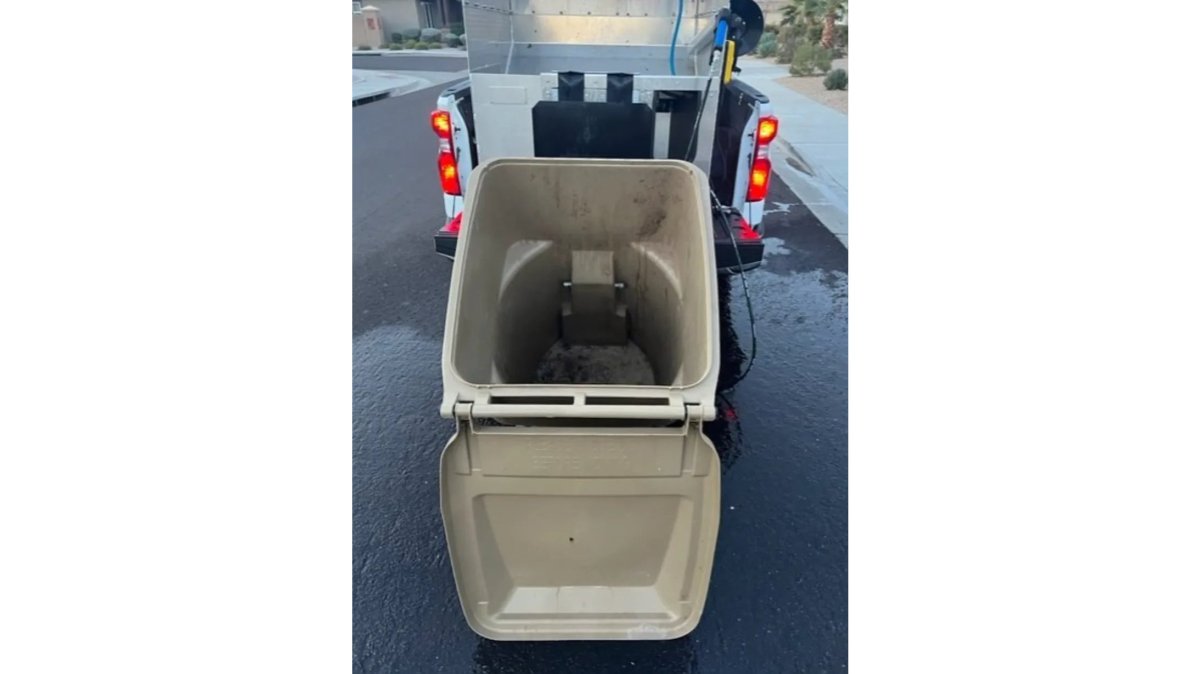
Professional exterior cleaning usually covers house washing for siding, stucco, brick, or stone, and may also include roof cleaning, window cleaning, and driveway or sidewalk cleaning. Some providers also address bins and other outdoor surfaces. Before booking, confirm exactly which surfaces are included, whether landscaping is protected, and whether any extra work is billed separately. A clear scope prevents surprises at the time of service.
Is pressure washing safe for siding, roofs, and windows?
It depends on the material and the pressure used. Vinyl, painted wood, and older stucco can be damaged by high pressure, which is why many professionals use soft washing with a low-pressure, detergent-based solution for these surfaces. Roofs often call for gentle methods to avoid dislodging shingles. Windows usually need only gentle washing. A reputable cleaner should assess each surface before choosing a method and explain the approach.
How often should you have your home's exterior professionally cleaned?
Many homeowners schedule exterior cleaning once a year, though the right frequency depends on shade, nearby trees, dust, humidity, and how quickly mold or algae return. Properties in hot, dusty areas such as Arizona's West Valley may need attention on a different schedule than homes in shadier climates. Ask your provider to inspect the property and recommend a maintenance plan based on what they see rather than a fixed calendar.
What should I look for when hiring an exterior cleaning company?
Look for proof of liability insurance, a written estimate, a clear description of methods and chemicals, and references or reviews from local customers. Ask how the crew protects plants, windows, and electrical fixtures, and whether they inspect the property before quoting. A company that asks about your surfaces and goals before quoting is usually more careful than one that quotes over the phone without seeing the home.

