Eco-Friendly Bin Cleaning (West Valley AZ) | Chemical-Free Steam Cleaning
Pest Prevention 101 — How Clean Trash Bins Help Stop Flies, Maggots, and Roaches
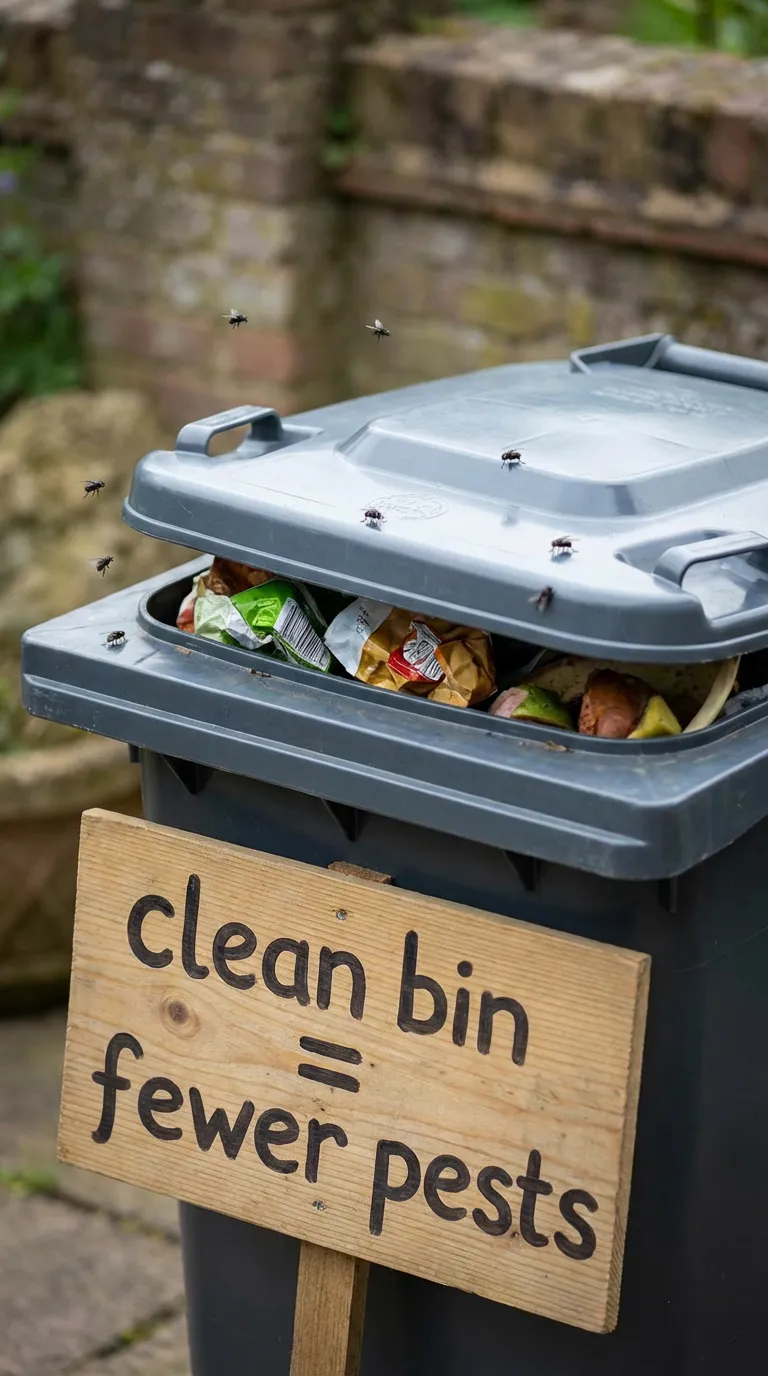
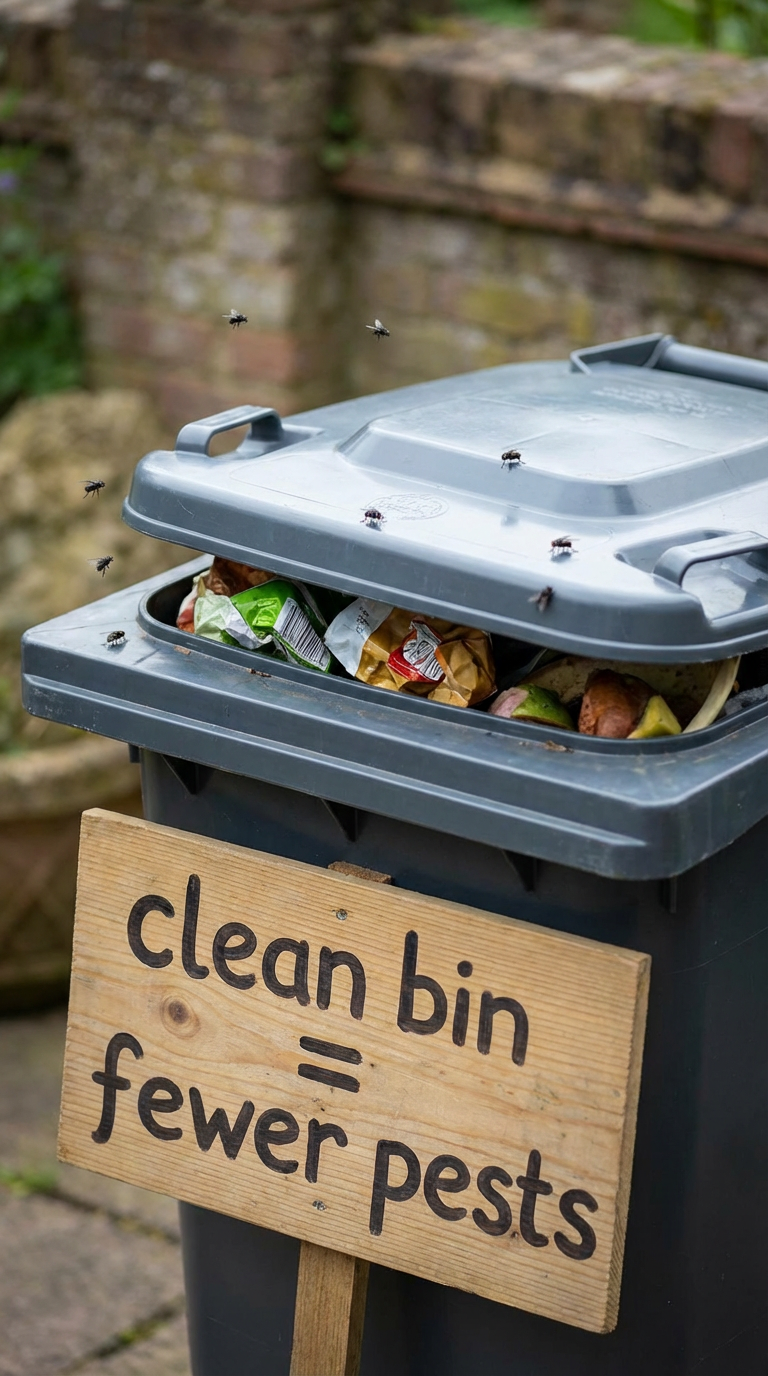
If you’ve ever opened your trash bin in the Arizona summer and instantly regretted it… you’re not alone.
In the West Valley, heat + food waste + moisture can turn a bin into a pest magnet. The good news: a few simple habits (plus regular bin cleaning) can dramatically reduce flies, maggots, and roaches.
Why pests love dirty trash bins
Pests aren’t showing up “randomly.” They’re responding to:
Odor(food residue and bacteria smell)
Moisture(leaks, melted ice, drink spills)
Warmth(sun-heated plastic bins)
A dirty bin is basically a buffet with a welcome sign.
How to prevent maggots in your trash can (West Valley tips)
Maggots come from fly eggs—so the goal is to stop flies from wanting your bin in the first place.
Try these:
Bag food waste tightly(especially meat packaging)
Freeze meat scraps until trash day
Keep the lid fully closed(no propping it open)
Avoid loose trash—use a bag even for “dry” waste
Don’t pour liquids into the bin
Put the bin in shade when possible
If you’ve already had maggots once, the biggest game-changer is removing the residue that keeps attracting flies.
What about roaches?
Roaches are attracted to the same things: food residue + moisture + warmth. They can also travel from nearby areas and use bins as a hiding spot.
Keeping bins clean and dry helps reduce the “hangout factor.”
The #1 thing most homeowners miss
Even if you’re careful with bags, the inside of the bin still gets coated over time. Tiny leaks and residue build up at the bottom and along the sides.
That’s where the smell comes from.
And that smell is what pests follow.
How professional bin cleaning helps with pest prevention
A true deep clean does two important things:
Removes the grime layer pests feed on
Reduces odor-causing bacteria that attract flies
At West Valley Top Notch Cleaning, we use hot water + steam (200°F+) and pressure—no harsh chemicals—so you get a deep clean without worrying about chemical residue around kids or pets.
How often should you clean bins for pest control?
For most West Valley homes:
Monthly in the hot season (March–November)
Every other month in winter(if your bin stays pretty clean)
If you’ve had flies/maggots, monthly is the easiest way to stay ahead of it.
Quick checklist: “Is my bin attracting pests?”
If you check 2+ of these, it’s time:
Strong odor when you open the lid
Flies hovering around the bin
Sticky residue inside
Bin stored in garage and smell lingers
You’ve seen maggots before
Want a cleaner bin (and fewer gross surprises)?
We’re local, family-owned, and we serve the entire West Valley—Buckeye, Goodyear, Verrado, Surprise, Sun City, and more.
If you want to set up a recurring schedule, we’ll make it simple.
