Driveway Pressure Washing in Buckeye AZ: Remove Oil, Rust & Grime
Driveway Pressure Washing in Buckeye (What Comes Off)
Why Buckeye driveways stain so easily
What pressure washing can remove (and what it can’t)
Dirt, dust, and traffic grime
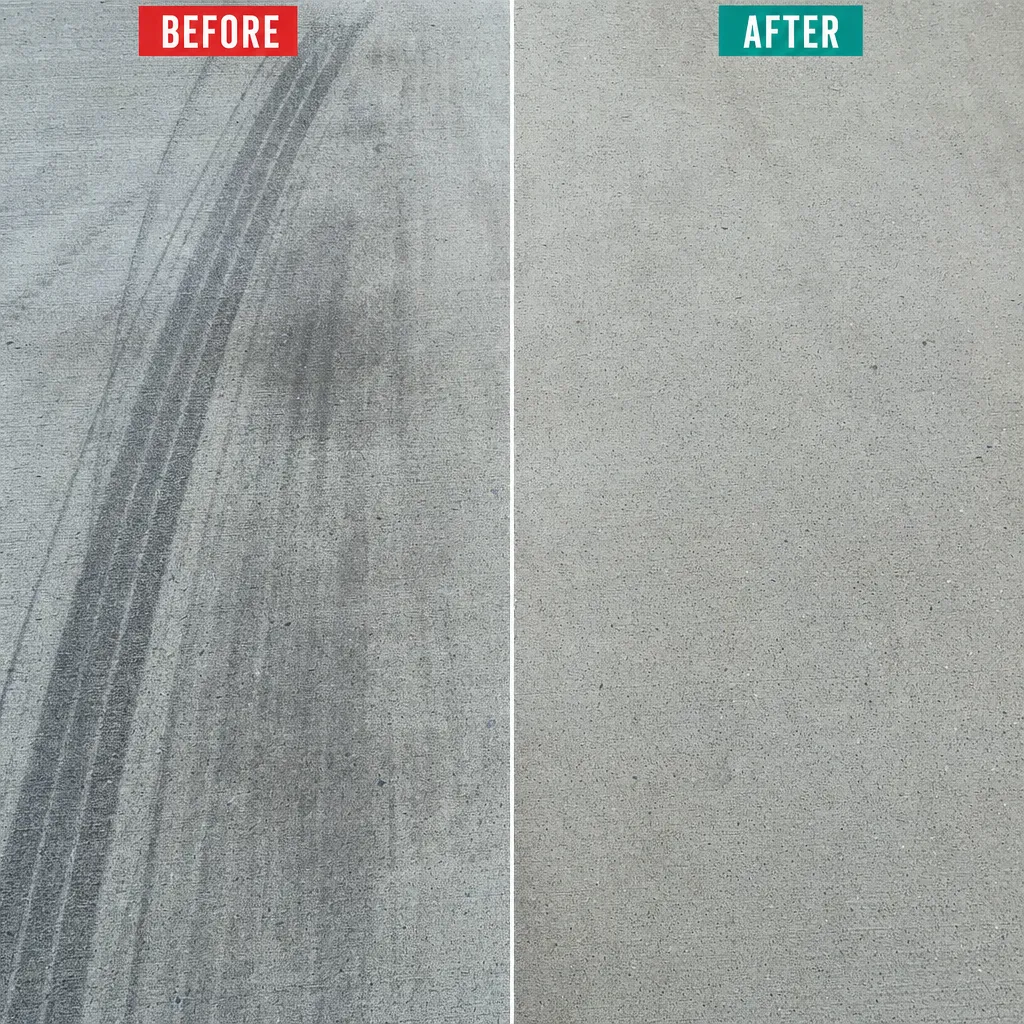
Tire marks and rubber
Oil and grease spots
Rust stains from metal and hard water
Algae/mildew in shaded spots
How often should you pressure wash your driveway in the West Valley?
DIY vs professional pressure washing (what homeowners miss)
Tips to keep your driveway cleaner longer
Book driveway cleaning in Buckeye + West Valley (CTA)
Buckeye is beautiful—but between dust, traffic, and the Arizona sun baking everything into your concrete, driveways here can start looking dingy way faster than most homeowners expect.
If you’re wondering what driveway pressure washing actually removes (and whether it’s worth it), this guide breaks it down in plain English—plus how often to clean and how to keep stains from coming right back.
Why Buckeye driveways stain so easily
In Buckeye (and nearby areas like Verrado and Tartesso), we deal with dust and dirt that settle daily, vehicle traffic that leaves rubber marks, oil drips that soak into porous concrete, and occasional shaded spots where algae can grow. And because concrete is porous, stains don’t just sit on top—they can sink in.
What pressure washing can remove (and what it can’t)
Let’s talk results.
Dirt, dust, and traffic grime
This is the easiest win. Pressure washing removes that dull, gray film that makes driveways look older than they are.
Tire marks and rubber
Tire marks often lift well with the right technique. The key is using the correct pressure and nozzle setup so you don’t “etch” lines into the concrete.
Oil and grease spots
Oil can be tricky. Fresh oil comes out easier. Older oil stains may lighten significantly, but sometimes you’ll still see a shadow depending on how long it’s been there.
Rust stains from metal and hard water
Rust stains can often be improved a lot, especially if they’re newer. Hard water staining around hose bibs and irrigation can also respond well.
Algae/mildew in shaded spots
Even in Arizona, shaded areas can grow slippery buildup. Pressure washing can remove it and make walkways safer.
How often should you pressure wash your driveway in the West Valley?
Most homeowners do well with 1–2 times per year for general maintenance, before events/holidays when you want the front of the home looking sharp, or after monsoon season if you notice extra grime or staining. If you have frequent oil drips or lots of traffic, you may want it more often.
DIY vs professional pressure washing (what homeowners miss)
DIY can work for light cleaning, but there are a few common issues: using too much pressure and leaving “zebra stripes,” uneven cleaning (patchy results), not having the right surface cleaner attachment, and spending hours for results that still look “meh.” Professional equipment and technique make a big difference in consistency—and in avoiding damage.
Tips to keep your driveway cleaner longer
A few simple habits help:
Address oil drips early (kitty litter can help absorb fresh spills)
Sweep regularly (dust becomes grime when it gets wet)
Rinse high-traffic areas occasionally
Consider periodic professional cleanings to reset the surface
Book driveway pressure washing in Buckeye + West Valley
If your driveway is stained, dull, or just needs a refresh, we can help.
Call or text (623) 294-3774 to get a quote, or book online.
For pressure washing services, visit: https://westvalleyazcleaning.com/powerwashing
We serve Buckeye and the surrounding West Valley—including Goodyear, Litchfield Park, Surprise, Sun City, Peoria, Avondale, Glendale, and more.
FAQ
Q: Will pressure washing damage my driveway?
A: It can if done incorrectly. Proper technique and equipment prevent etching and striping.
Q: Can you remove all oil stains completely?
A: Results depend on how old the stain is and how deep it soaked in. Many stains lighten dramatically; some may leave a faint shadow.
Q: How long does driveway pressure washing take?
A: Timing depends on size and staining, but most residential driveways can be cleaned efficiently with the right equipment.
